1. Claudius Ptolemy (Geocentric Model)
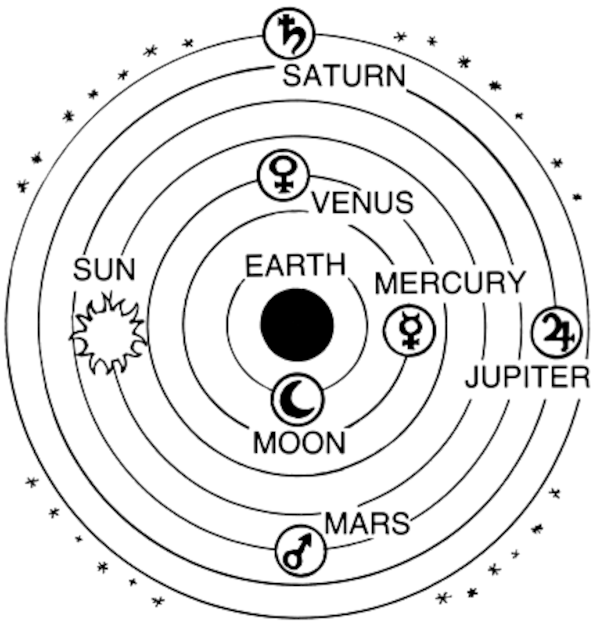
- The Theory: He proposed that Earth is the center of the universe. All planets, the sun, and stars revolve around us in perfect circles called epicycles.
- Context: This was the standard for over 1,400 years because it matched common sense - the ground feels still, and the sky moves.
2. Nicolaus Copernicus (Heliocentric Model)
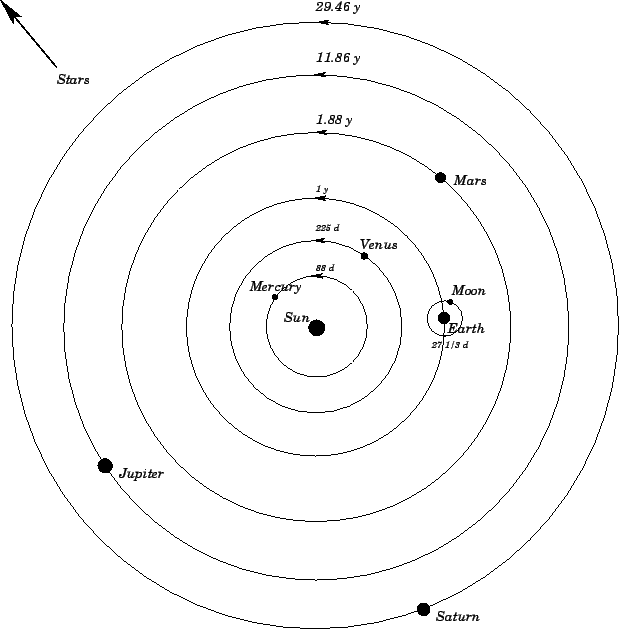
- The Change: Copernicus flipped the script, proposing the Sun is the center and Earth is just another planet orbiting it.
- Invalidation: This directly challenged Ptolemy’s Earth-centric view. It simplified the math of planetary motion, though he still incorrectly used perfect circles.
3. Galileo Galilei (Observational Evidence)
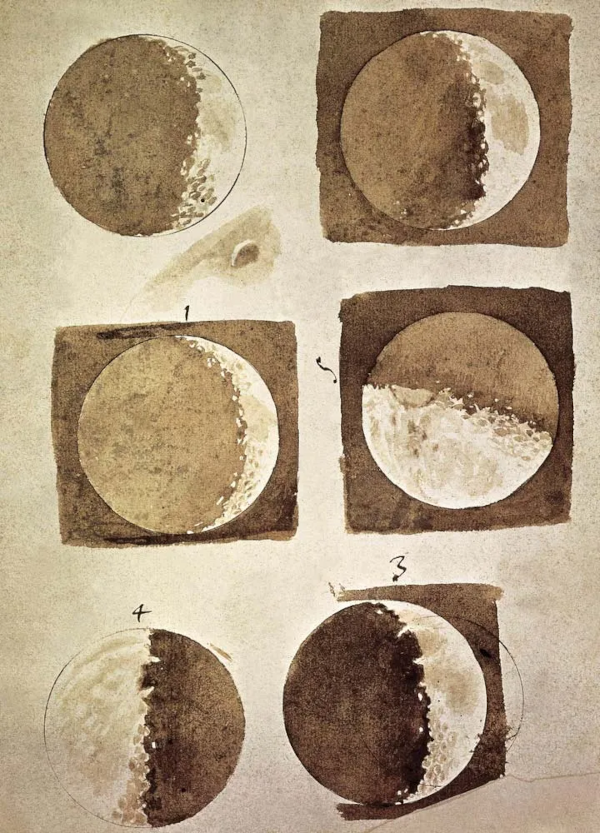
- The Change: He didn’t just theorize; he used the telescope to prove Copernicus was right.
- Build/Invalidate: By observing the phases of Venus and moons orbiting Jupiter, he provided the "smoking gun" that invalidated Ptolemy’s model. He also laid the groundwork for modern physics by studying how objects fall and move.
- By 1609 he had determined that the distance fallen by a body is proportional to the square of the elapsed time (the law of falling bodies) and that the trajectory of a projectile is a parabola, both conclusions that contradicted Aristotelian physics.
4. Isaac Newton (Universal Gravitation)
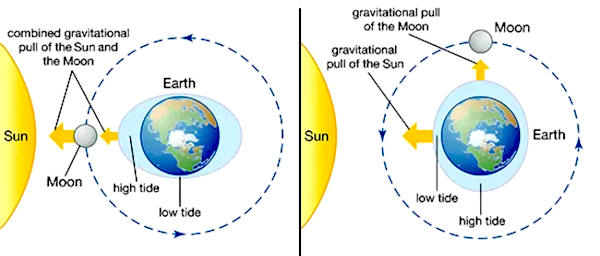
- The Change: He figured out why things move. He proposed the Laws of Motion and Universal Gravitation, showing that the same force pulling an apple to the ground keeps the planets in orbit.
- Build: He took the "what" from Copernicus and Galileo and gave it a mathematical "why." He replaced the idea of "perfect circles" with elliptical orbits (building on Kepler).
- Newton’s law of universal gravitation states that every particle in the universe attracts every other particle with a force directly proportional to the product of their masses and inversely proportional to the square of the distance between their centers.
5. Albert Einstein (Relativity)
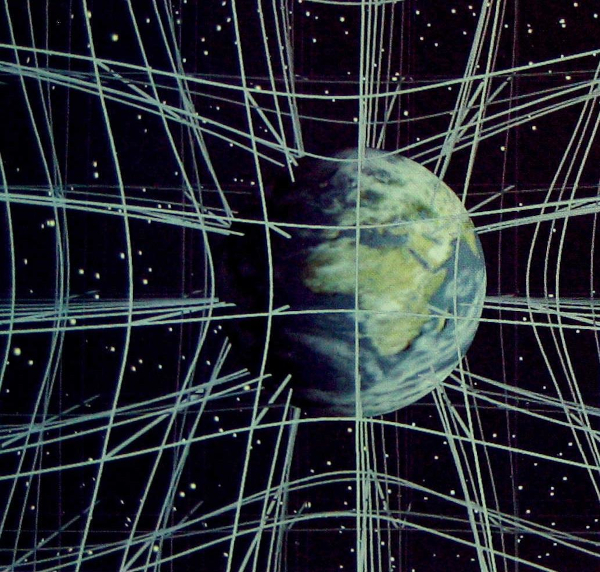
- The Change: He showed that space and time aren't fixed; they are a fabric called spacetime. Gravity isn't just a "tug" between objects (as Newton thought), but a curvature of that fabric caused by mass.
- Build/Invalidate: Einstein didn't prove Newton "wrong"—Newton's math still works for most things on Earth. However, Einstein refined and expanded the theory to explain things Newton couldn't, like the behavior of light and objects moving near the speed of light.


